


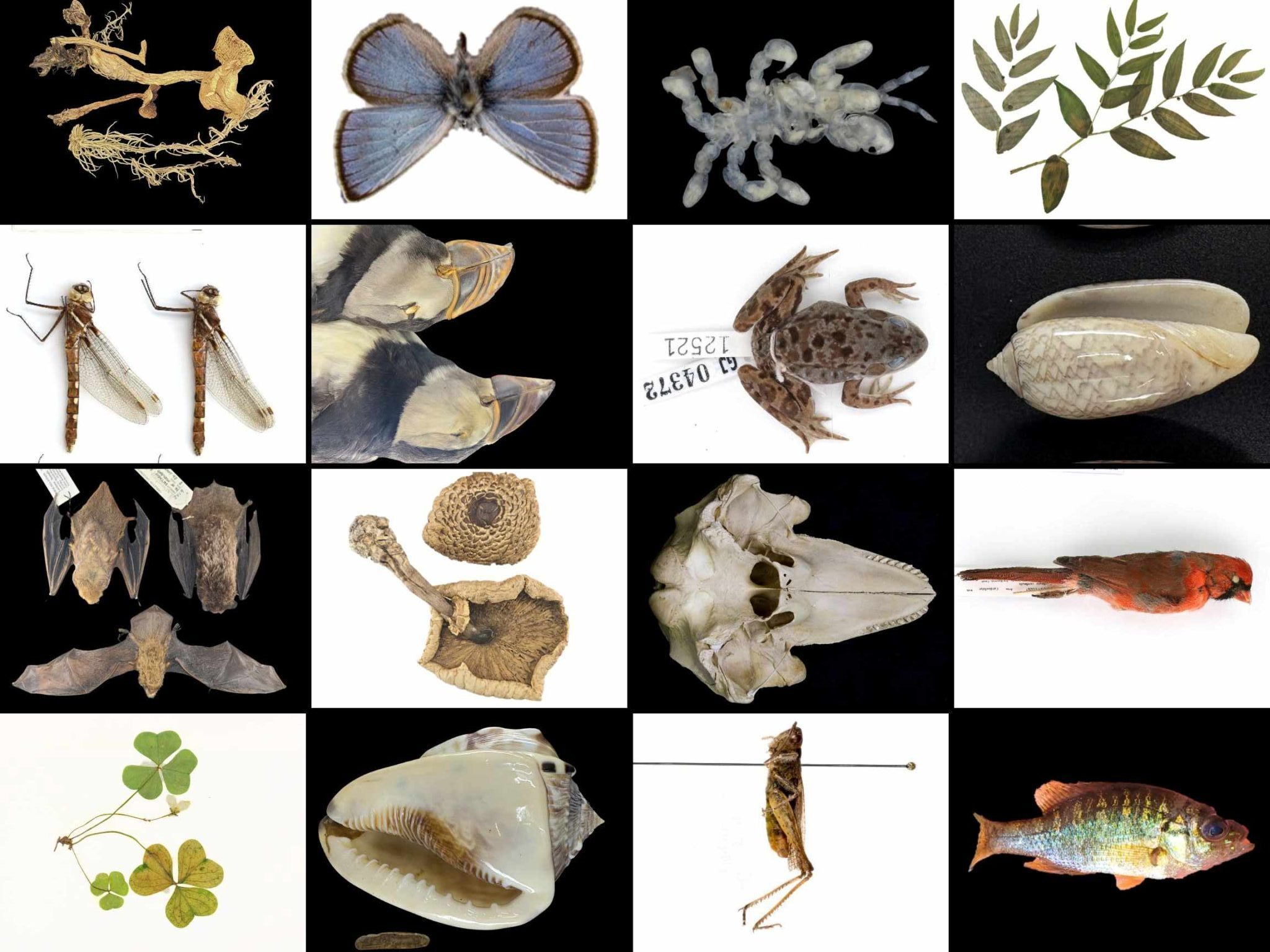
Help scientists measure specimens
The New Brunswick Museum is launching a new outreach project — and we need your help!
Museums play an important role in scientific research by preserving specimens that document biodiversity over time. Some specimens are hundreds of years old and provide valuable snapshots of the past. By digitizing museum collections, researchers around the world can study how species and ecosystems have changed through time.
This information helps scientists investigate important environmental issues such as:
- Climate change
- Biodiversity loss
- Pollution
- Changes in species distribution and body size
As part of this project, participants will help digitize and measure frog specimens from the museum collection. These measurements will contribute directly to ongoing conservation research.

Biodiversity loss is a growing global concern that affects both ecosystems and people. Many individuals, especially youth, experience feelings of “eco-anxiety” when thinking about environmental change.
Hands-on scientific projects can help transform concern into positive action. By participating in real research, students and community members can:
- Contribute directly to conservation science
- Learn how museum collections support research
- Gain hands-on scientific experience
- Feel more connected and empowered to make a difference
To participate, click on the button below! You will find tutorials and can even track your progress as you measure more specimens.
Attention Educators!
Bring museum research to your classroom
We invite teachers to participate in this outreach initiative by conducting classroom visits and delivering interactive presentations. Research shows that eco-anxiety, chronic distress in response to declining environmental health, affects over 50% of Canadian youth aged 16-25.
We would like to help by providing an outlet for students to contribute to authentic scientific research. During classroom visits, students will learn how museum collections contribute to scientific discovery and will participate in real conservation research by helping measure museum specimens.

Objectives of classroom visits are to:
- Share project findings with participants through future scientific publications and project updates
- Teach students about museum-based scientific research
- Explore how climate change affects biodiversity
- Reduce feelings of eco-anxiety through active participation in research
- Demonstrate how citizen science contributes to real-world conservation efforts
- Introduce students to careers in science, museums, and conservation
If you are a teacher interested in having us present to your class, sign up here:
Frequently asked questions for presentations
- New Brunswick schools will be given priority; however, arrangements can be made for schools from other provinces.
- Presentations are recommended for high school students, but can be altered for younger grades.
- Presentations can be to a single or multiple classes, in person or online.
- Presentations are available in English or French.
- We recommend reserving an hour for a session to allow for sufficient discussion.
- We encourage students to continue participating in this project, but it is not required.
- With the teacher’s and school’s permission, we would like to distribute a survey to students regarding eco-anxiety, their knowledge of museums, and feedback on the session before and after the presentation. Surveys are completely anonymous and do not collect personal information.
Thank you to our generous supporters
This research was made possible by generous funding from the Harrison McCain Foundation, which supported infrastructure, data acquisition, inter-institutional collaboration, and public outreach. Support from organizations such as the Harrison McCain Foundation is critical to the success of this project and to advancing the broader understanding and conservation of biodiversity.
